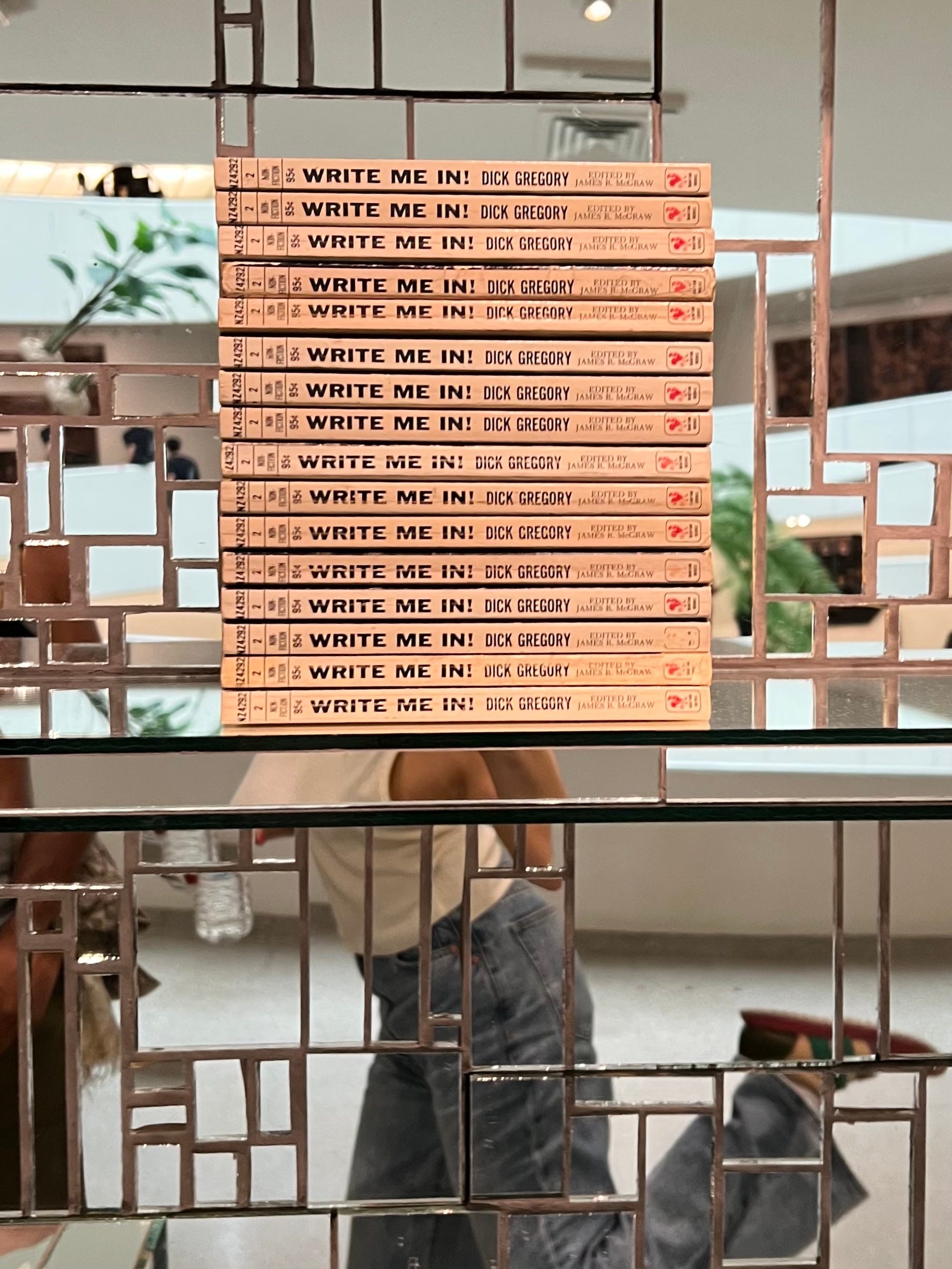
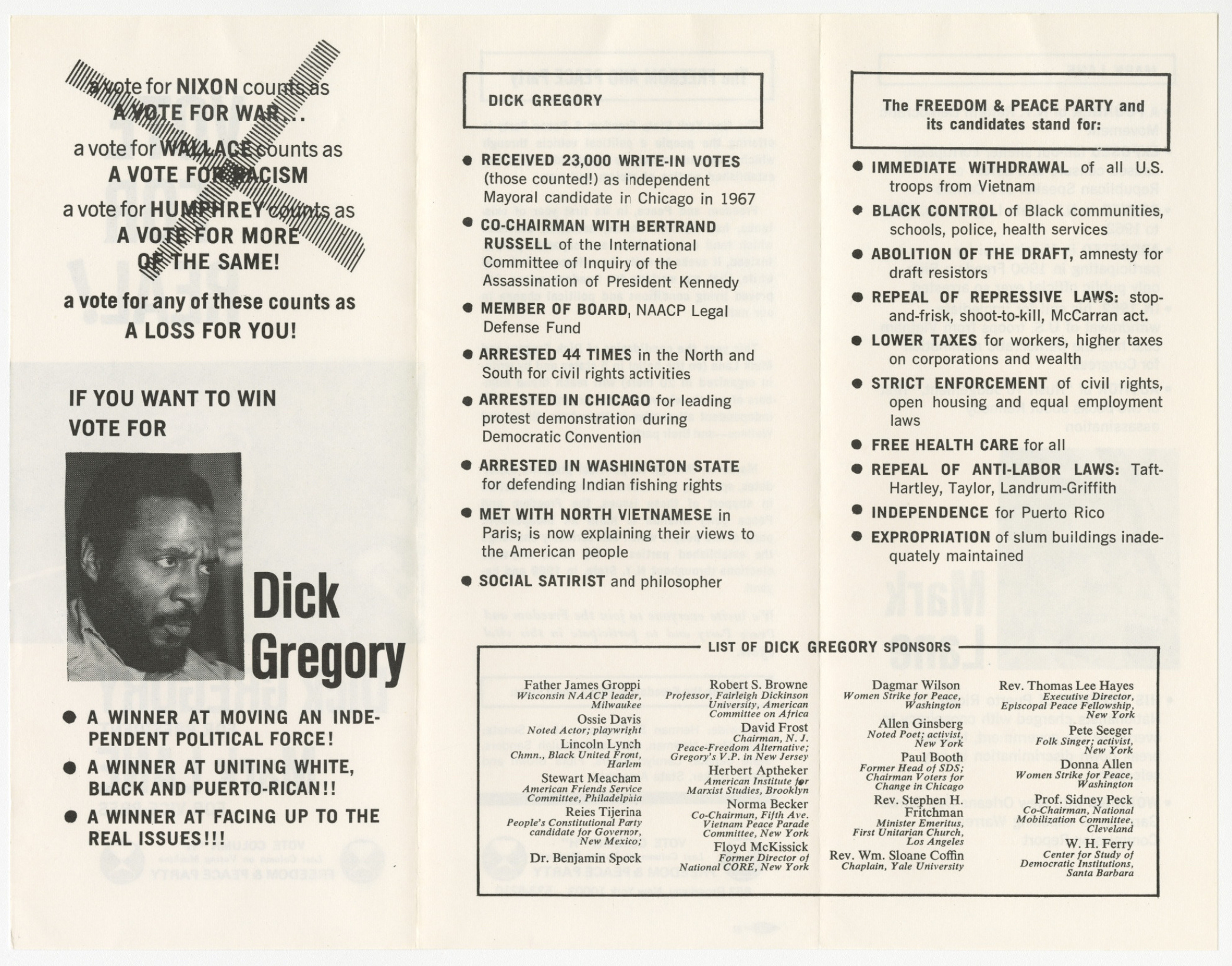
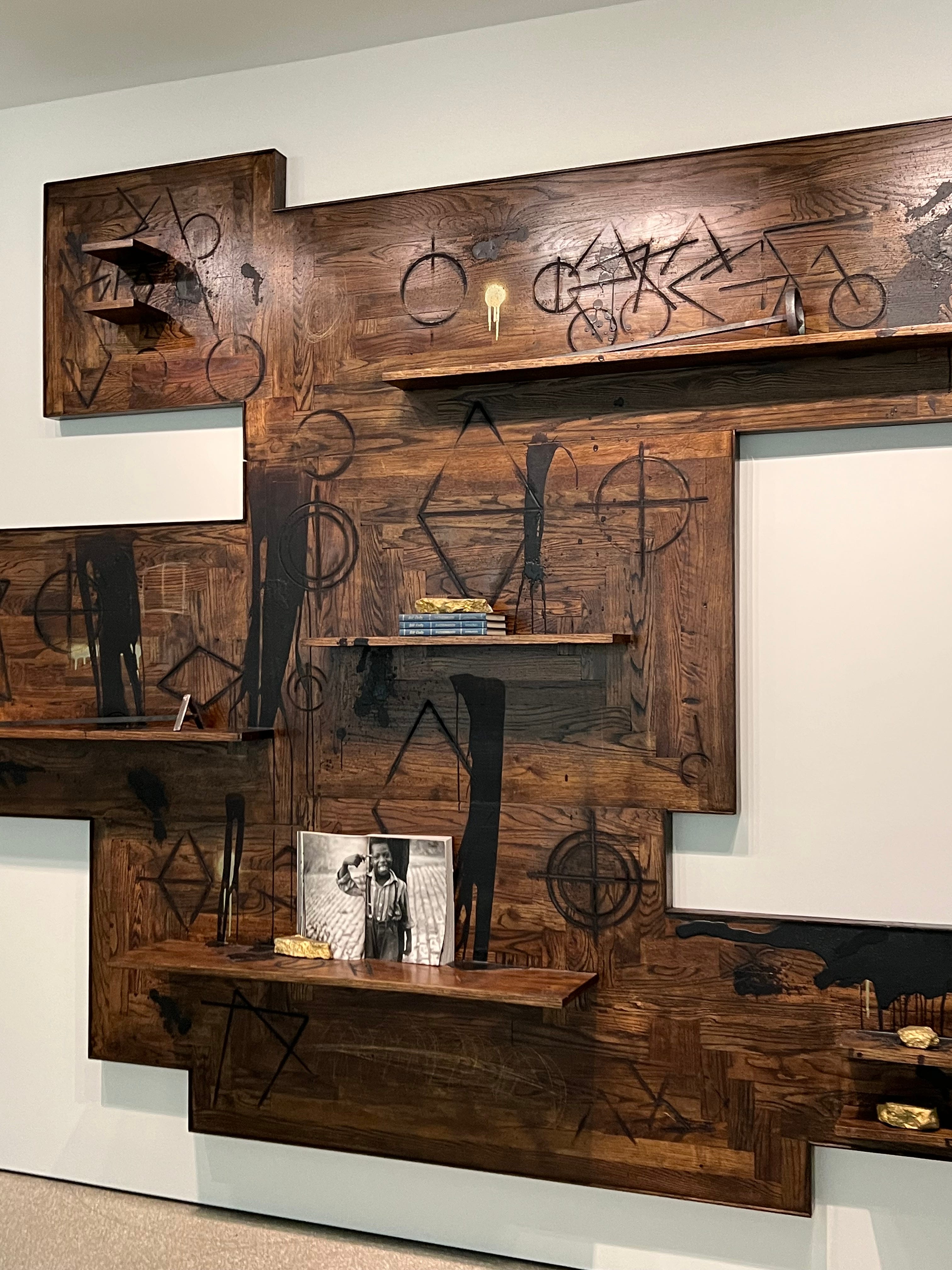
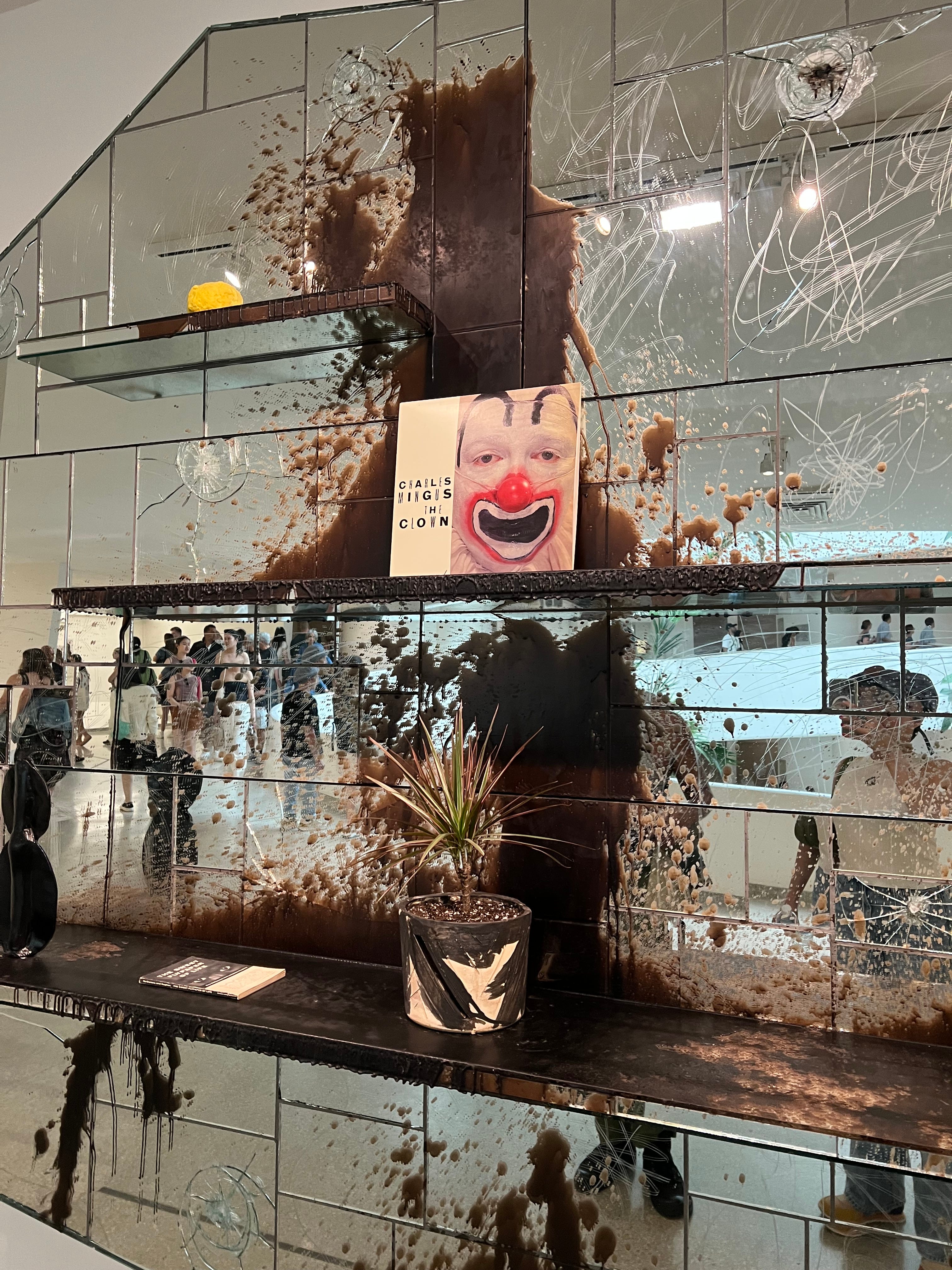
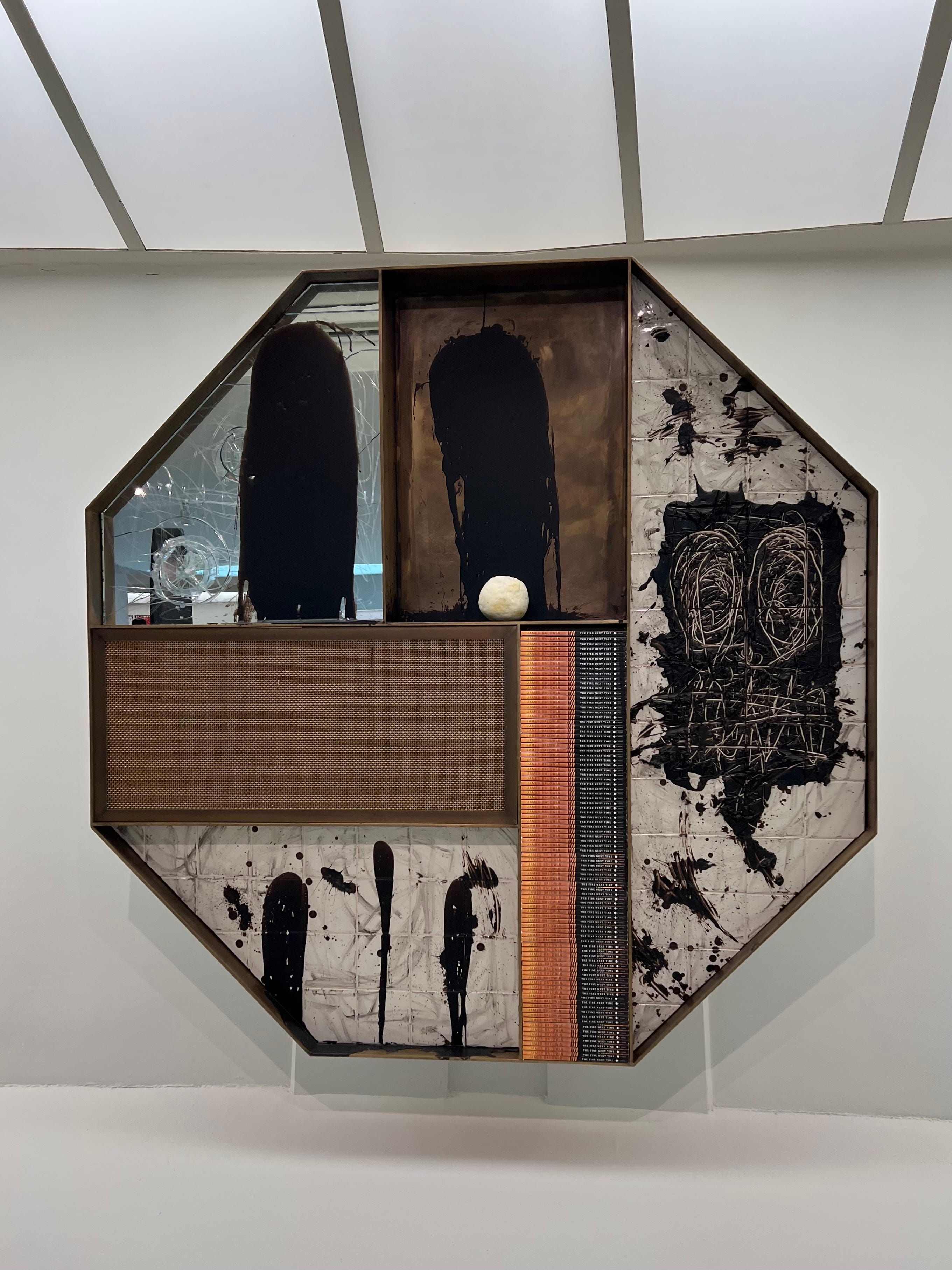
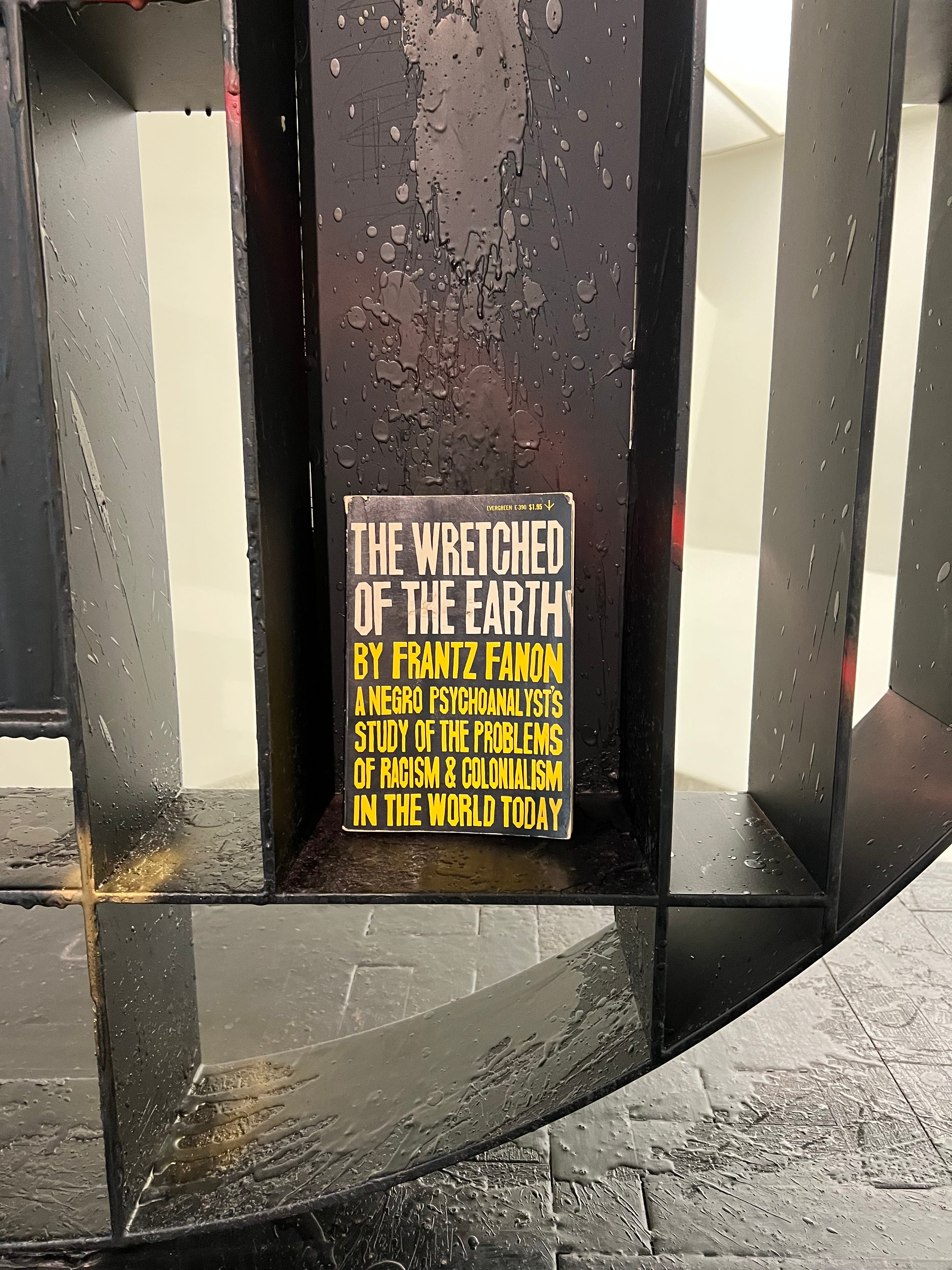
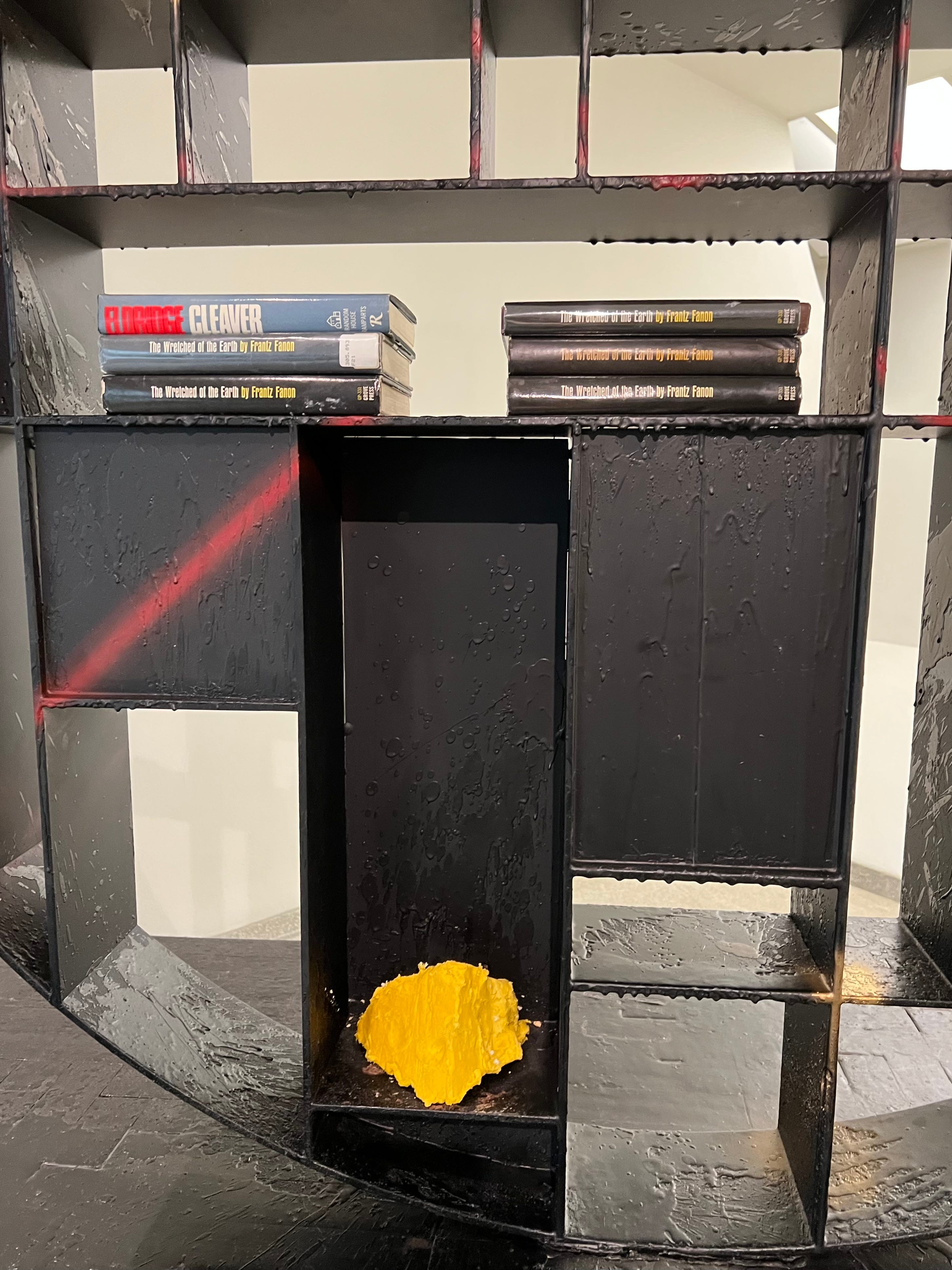
16 books from the Guggenheim exhibit: "A Poem For Deep Thinkers" by Rashid Johnson
Share
Hi dearest reader, come with us to the Goog!
This week I’m in New York City, baby.
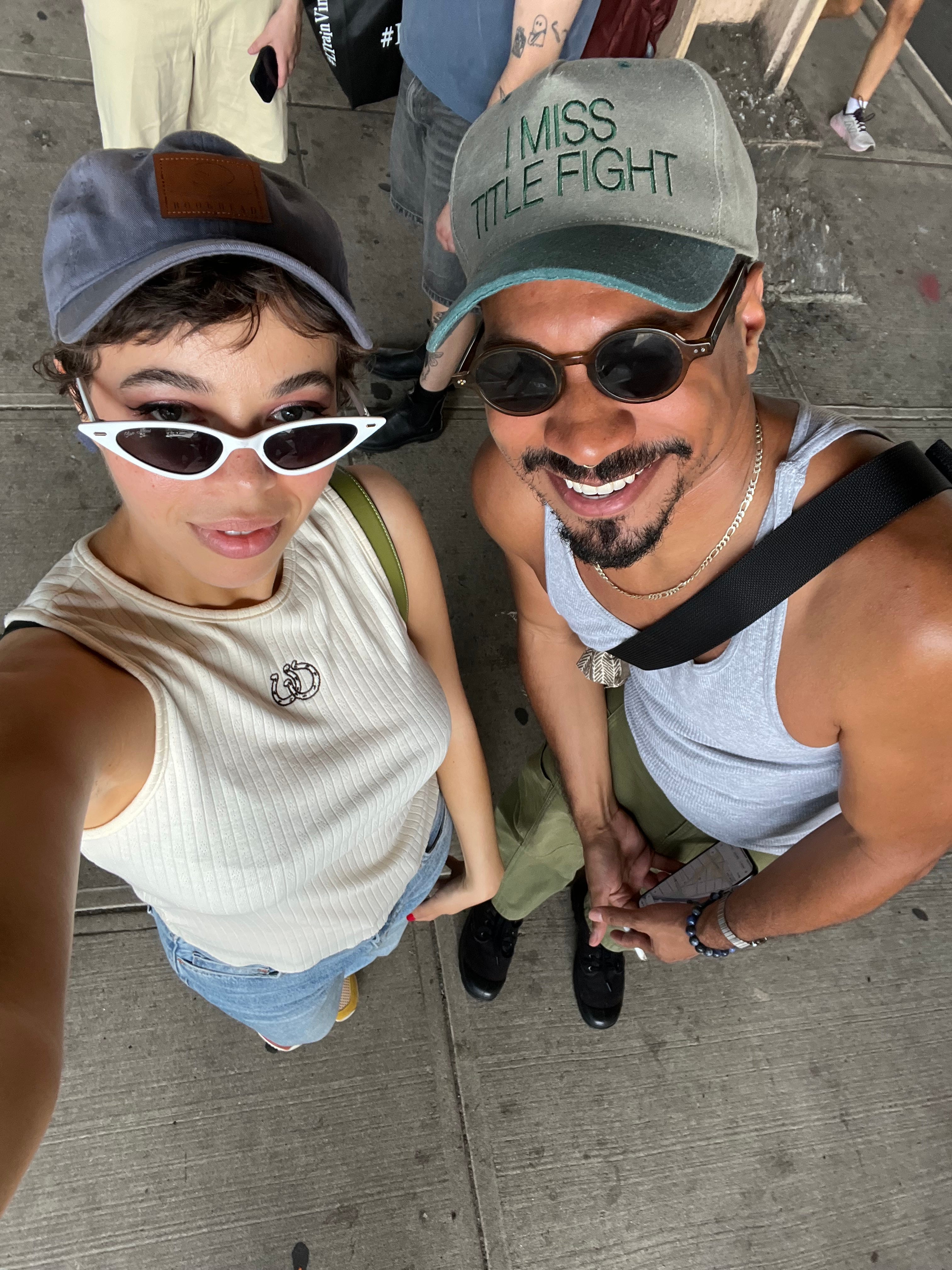
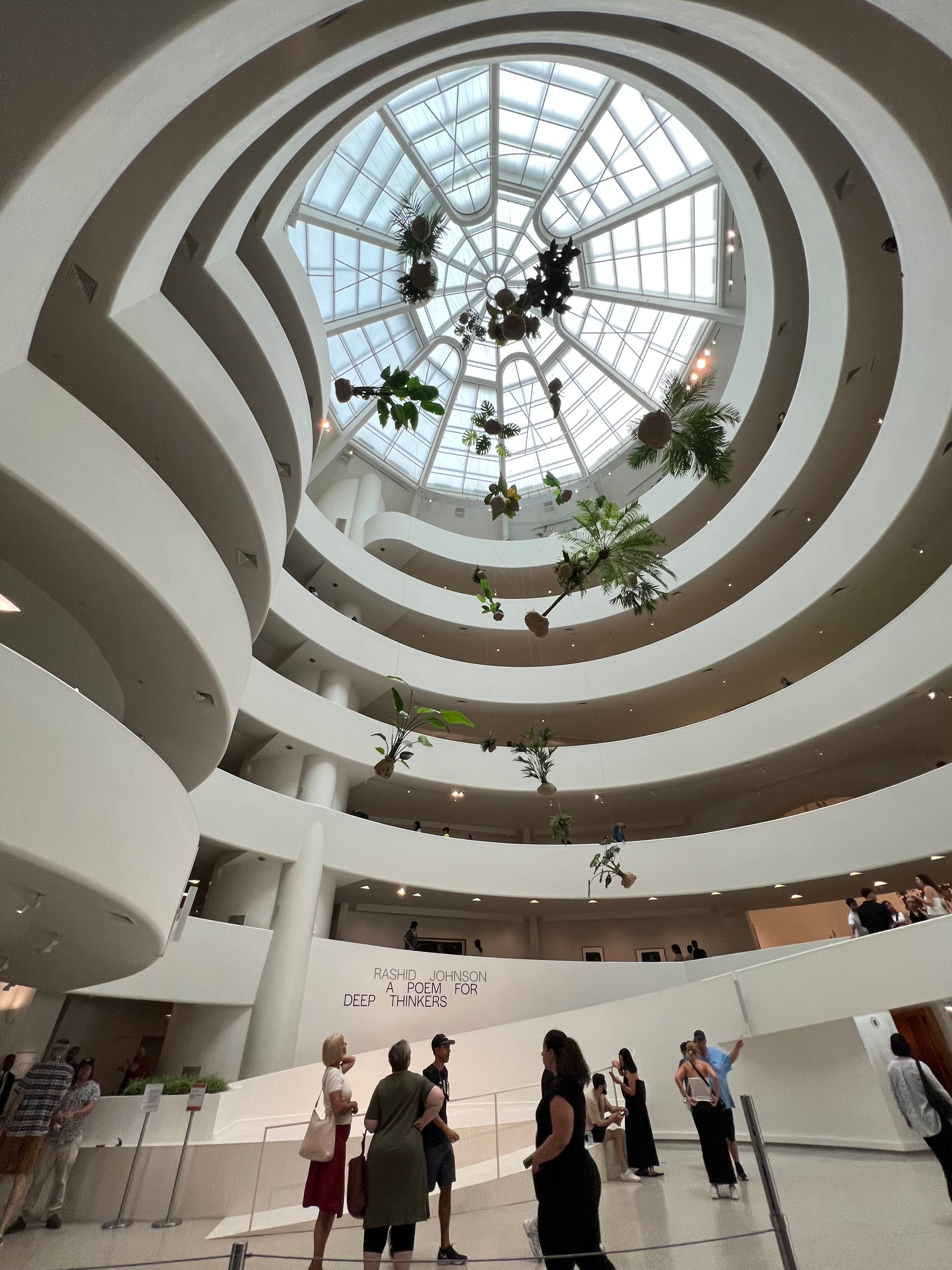
I hit up my artistic friend, Kameron Richie, (Substack, Website) who I like to call cousin, and he brought us to the Guggenheim museum to see one of his favorite artists, Rashid Johnson.
As we ascended the concrete ramp I quickly realized Johnson’s exhibit would be full of books, and in a way, functioning as a recommended reading list directly from the artist to you.
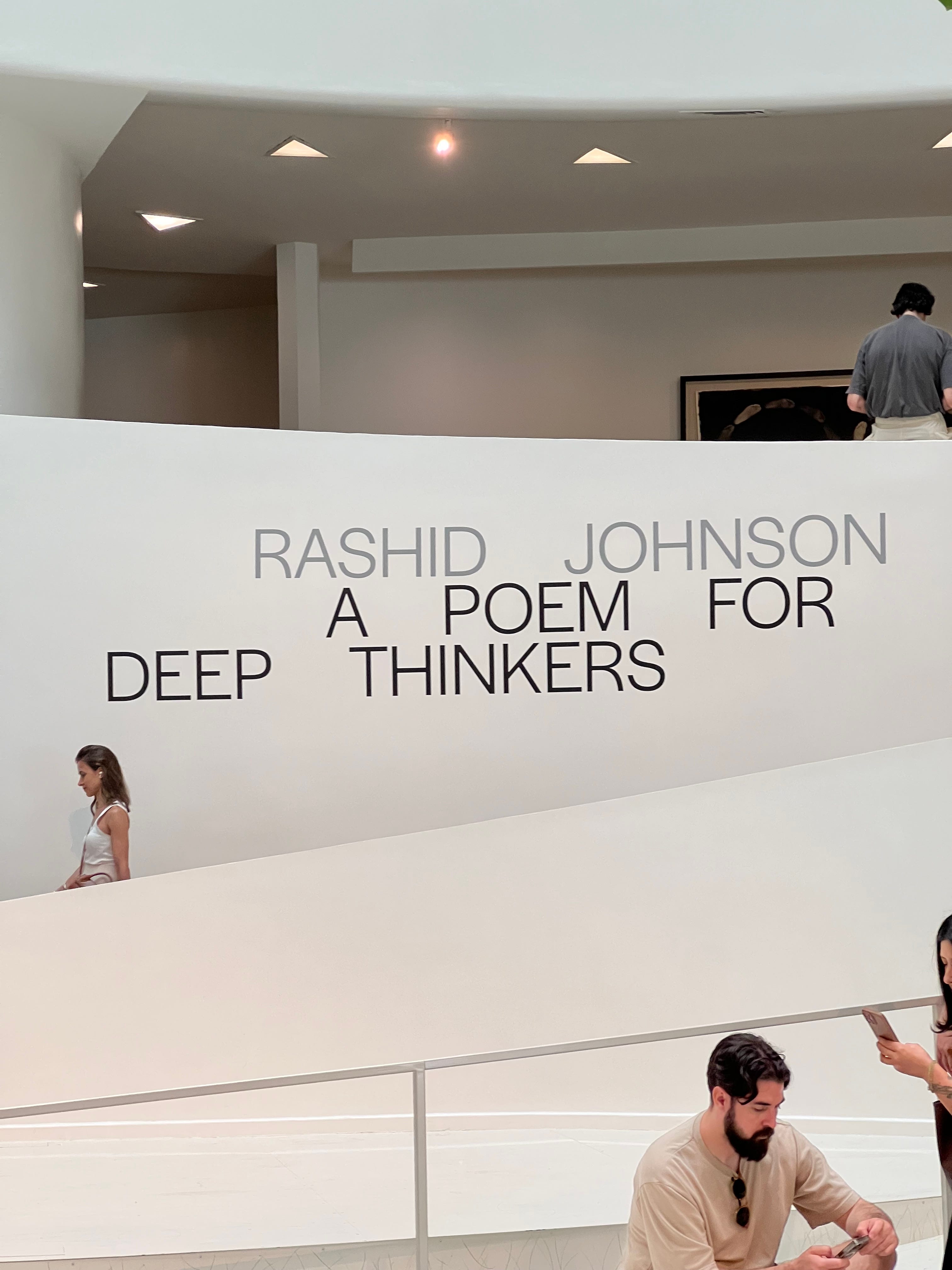
Here are all the books in Rashid Johnson’s exhibit titled A Poem For Deep Thinkers. At the end of the tour (and this post) I discover it’s a title inspired from a poem by the writer, Amiri Baraka.
Through this reading list, and photos, you’ll see why books and art belong together! I can’t wait to pick up a few of these.
I went into a research k-hole putting this issue together and it was extremely enlightening and fun. I think my brain got a little bigger? I hope you enjoy the results!!!
A Poem For Deep Thinkers is On View April 18, 2025–January 18, 2026
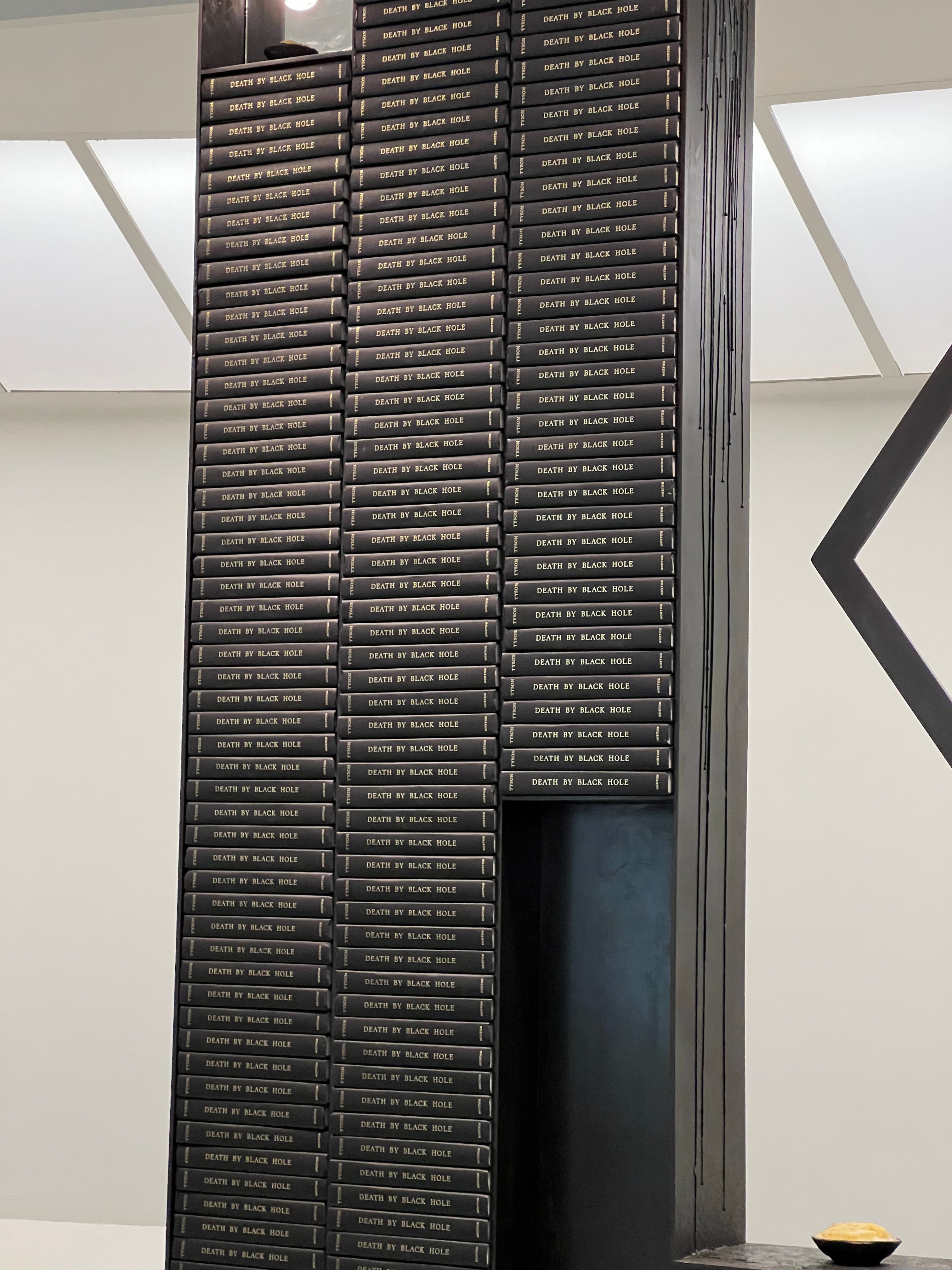
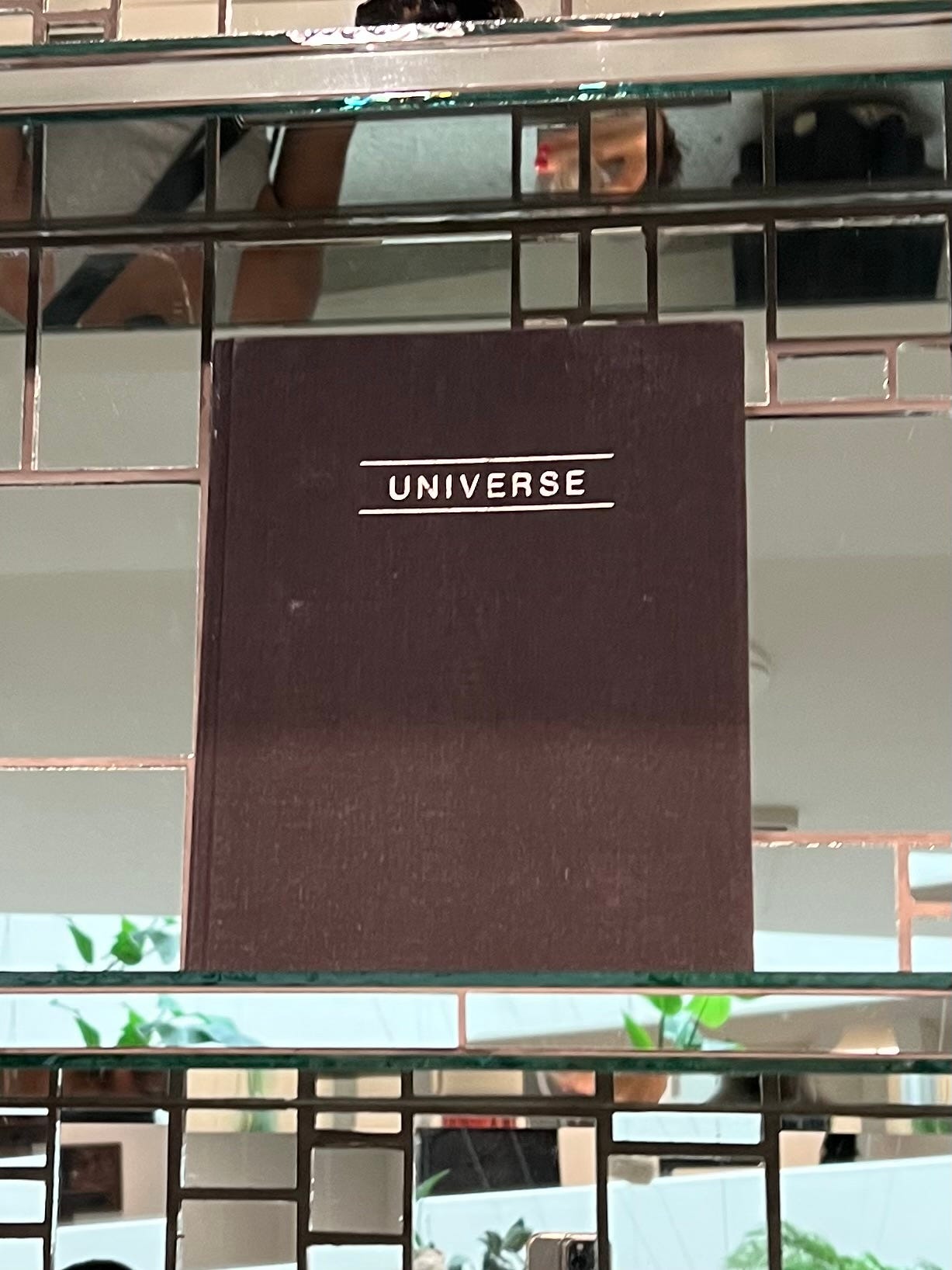
Anthology of essays about the universe, making physics approachable to the general reader. The title essay explains in "gory" detail what happens when your body falls into a black hole.
Here’s a cool edition of Death by Black Hole by Folio Society.
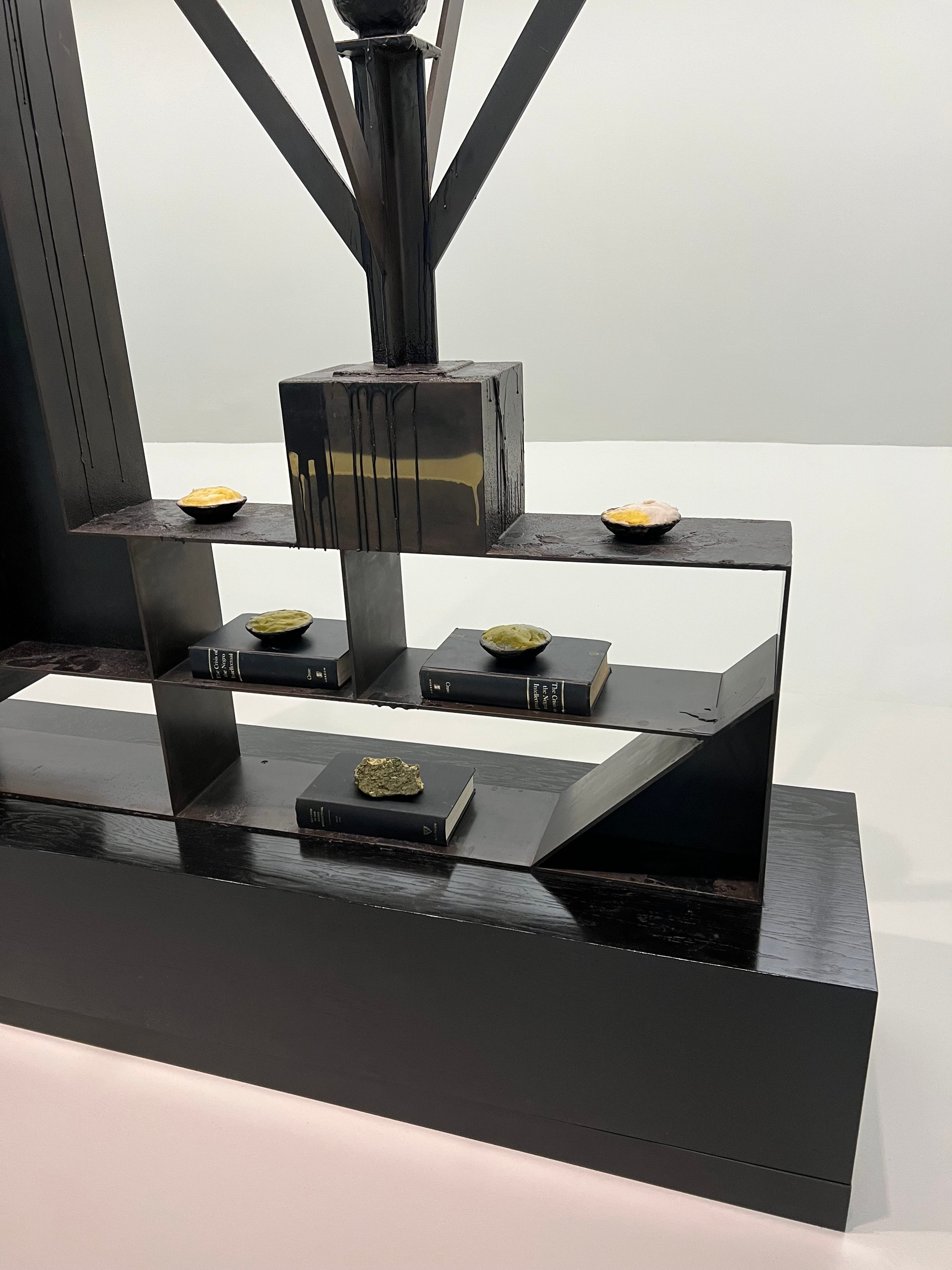
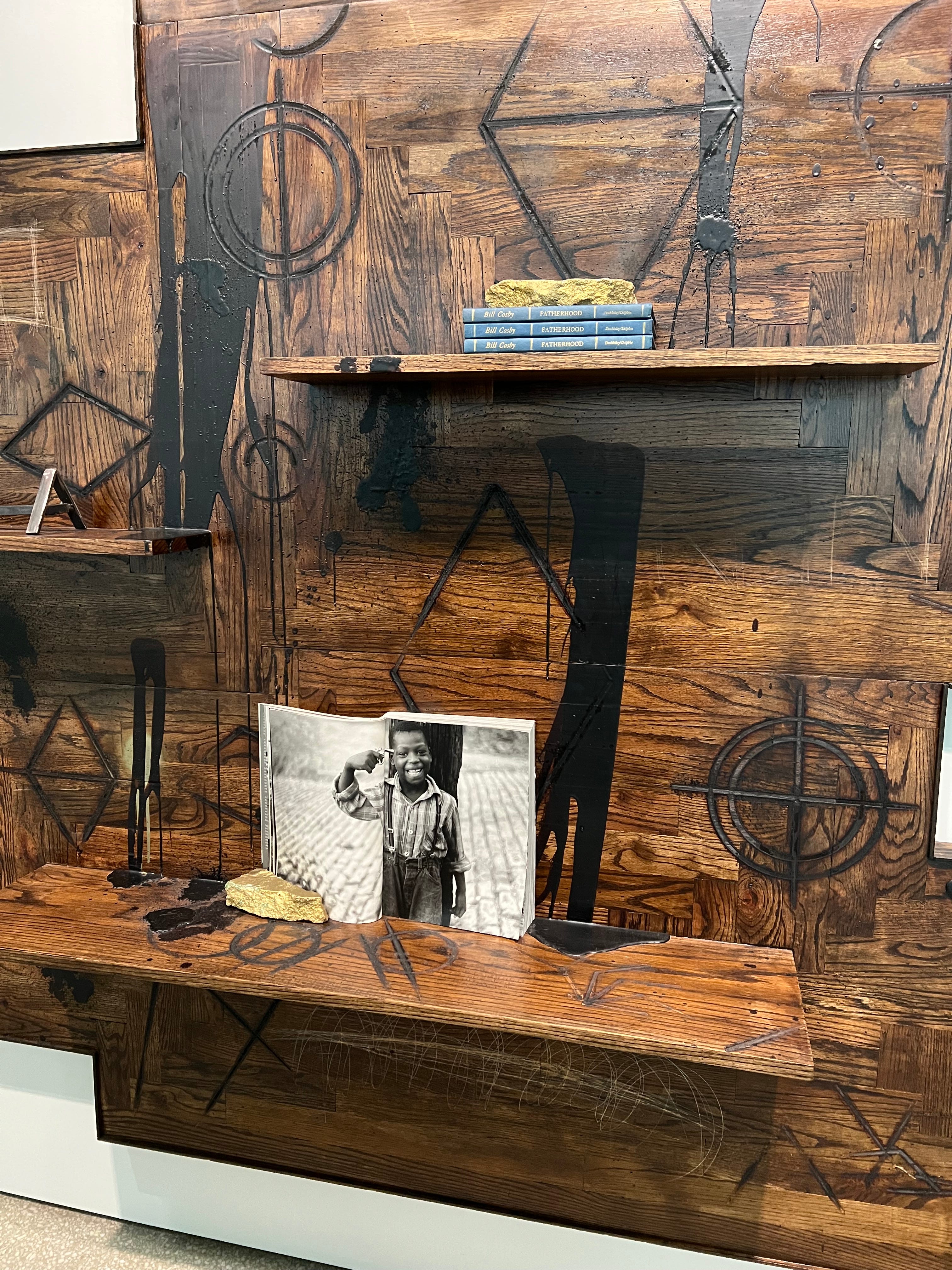
There’s no point linking to this book. It’s not like you’ll want to read Cosby’s books for entertainment or intellectual insights, but here it is for research purposes.
The irony of Johnson’s art piece is blatant. By placing the fool’s gold on Cosby’s book titled Fatherhood, and an image of a child holding a gun to his head, you can’t help but wonder about the association of grief and failure between them.
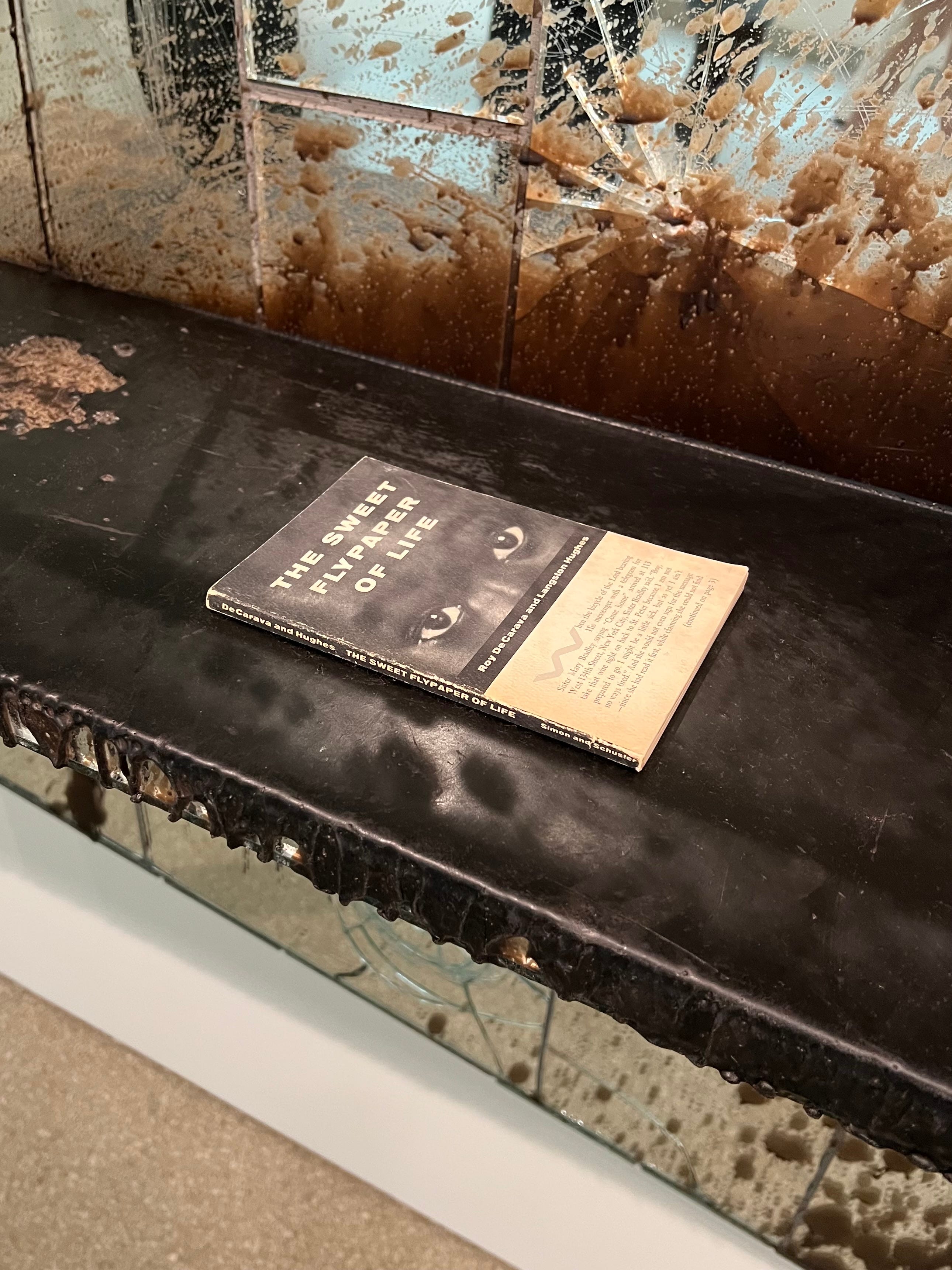
The Sweet Flypaper of Life is a “poem” about ordinary people, about teenagers around a jukebox, about children at an open fire hydrant, about riding the subway alone at night, about picket lines and artist work spaces.
This renowned, life-affirming collaboration between artist Roy DeCarava and writer Langston Hughes honors in words and pictures what the authors saw, knew, and felt deeply about life in their city. — David Zwirner
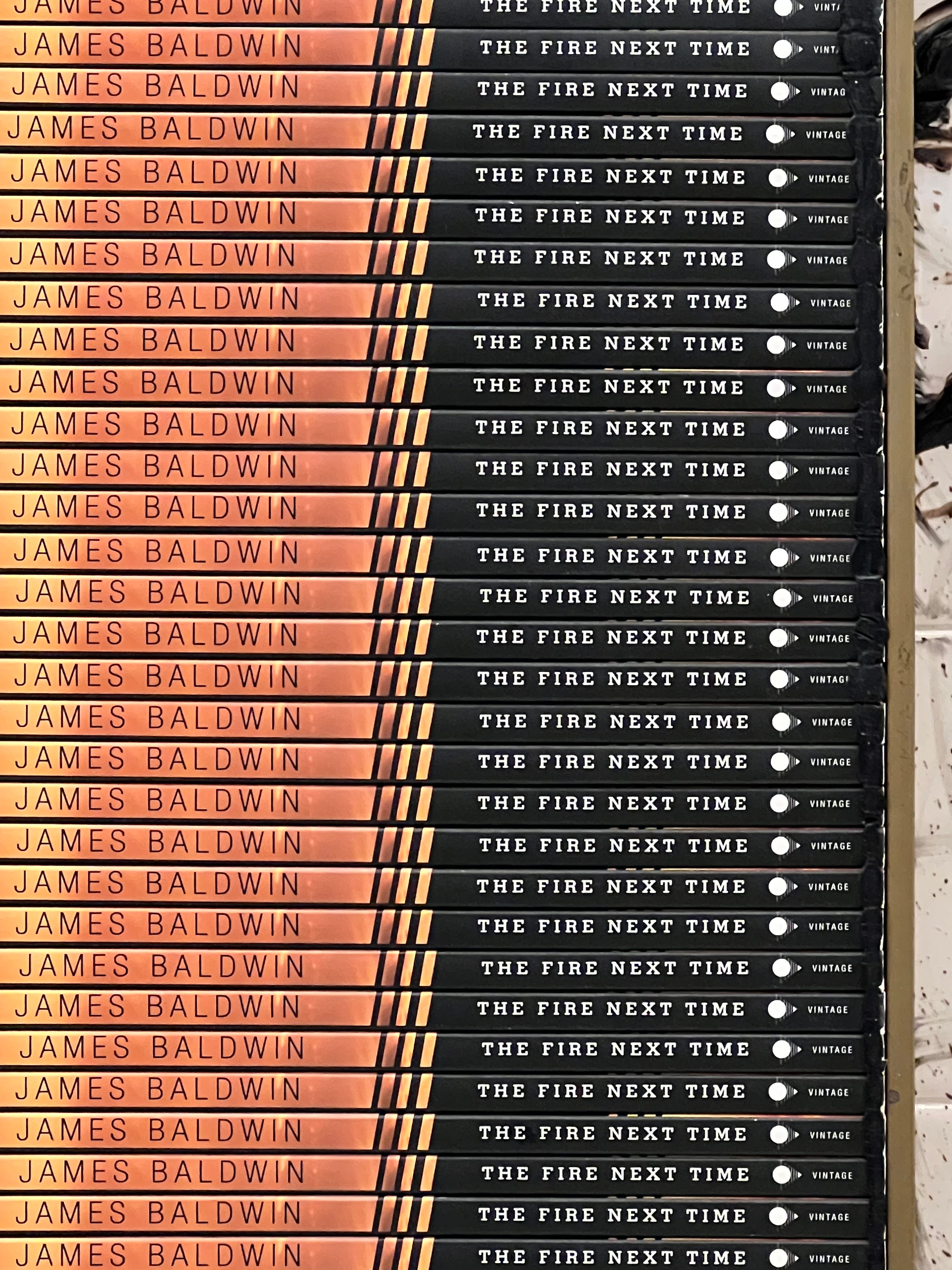
Kameron and I are halfway up the rotunda now! Then suddenly, the show keeps getting better. I’m excited about the next book I see because it’s by James Baldwin, a title I’d never heard of before.
I hope to read Baldwin’s entire bibliography by the time I die. I’ll be adding this one to my reading list.
At once a powerful evocation of James Baldwin's early life in Harlem and a disturbing examination of the consequences of racial injustice, the book is an intensely personal and provocative document. It consists of two "letters, " written on the occasion of the centennial of the Emancipation Proclamation, that exhort Americans, both black and white, to attack the terrible legacy of racism.
Described by The New York Times Book Review as "sermon, ultimatum, confession, deposition, testament, and chronicle...all presented in searing, brilliant prose, " The Fire Next Time stands as a classic of our literature. — Baldwin and Company
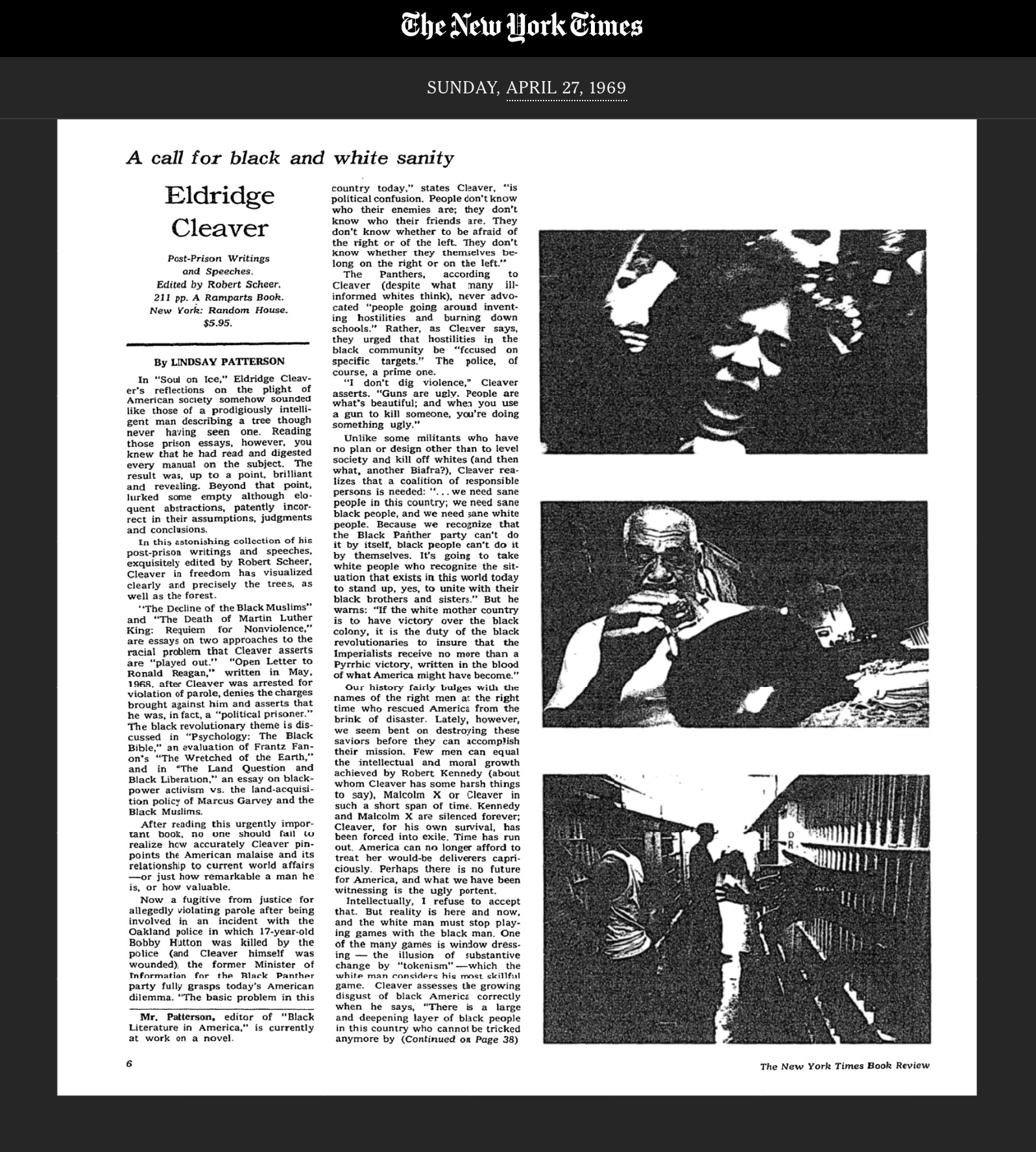
…[T]he white man must stop playing games with the black man. One of the many games is window dressing—the illusion of substantive change by "tokenism"—which the white man considers his most skillful game. Cleaver assesses the growing disgust of black America correctly when he says, "There is a large and deepening layer of black people in this country who cannot be tricked anymore…
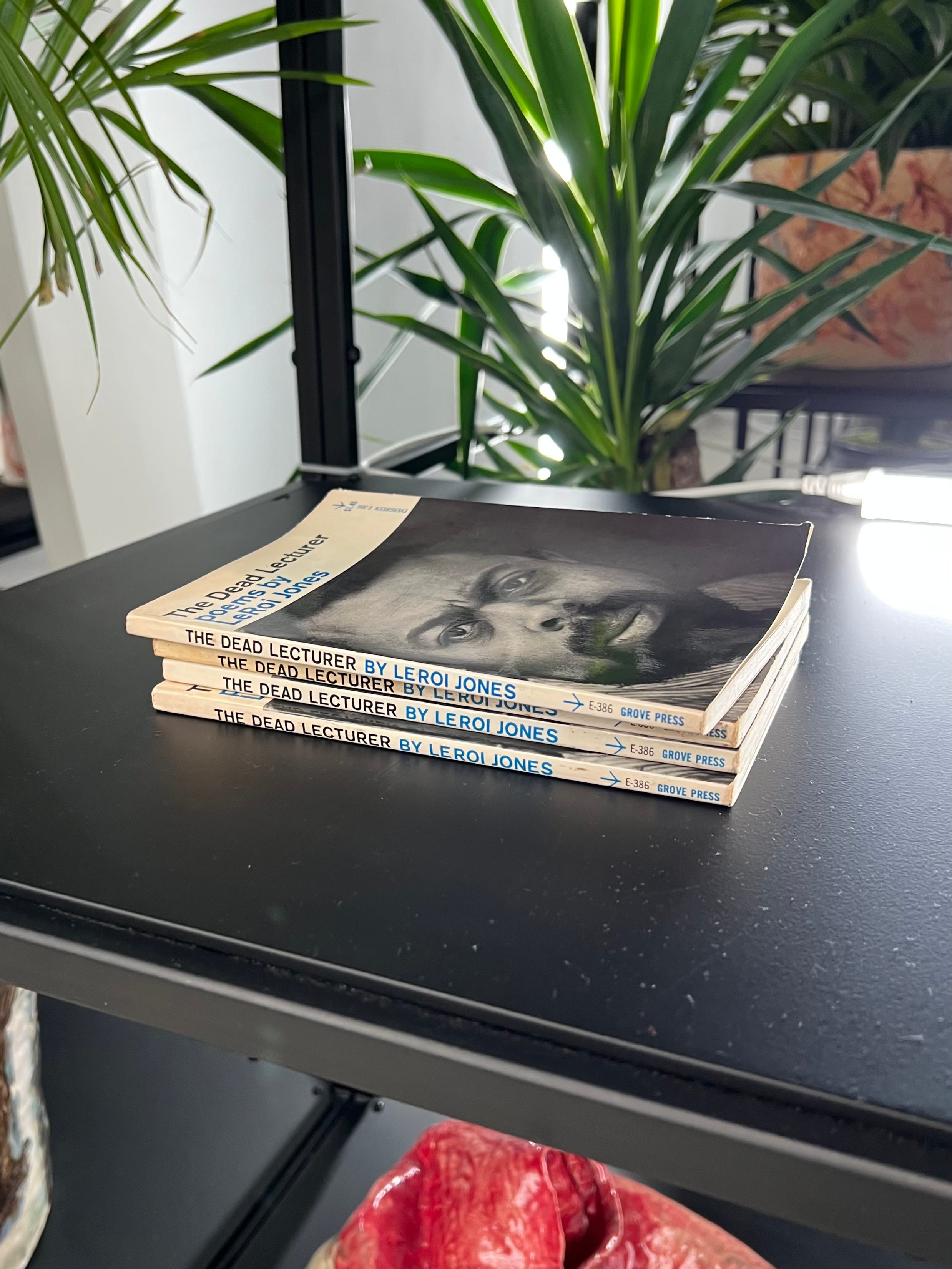
10. The Dead Lecturer by LeRoi jones
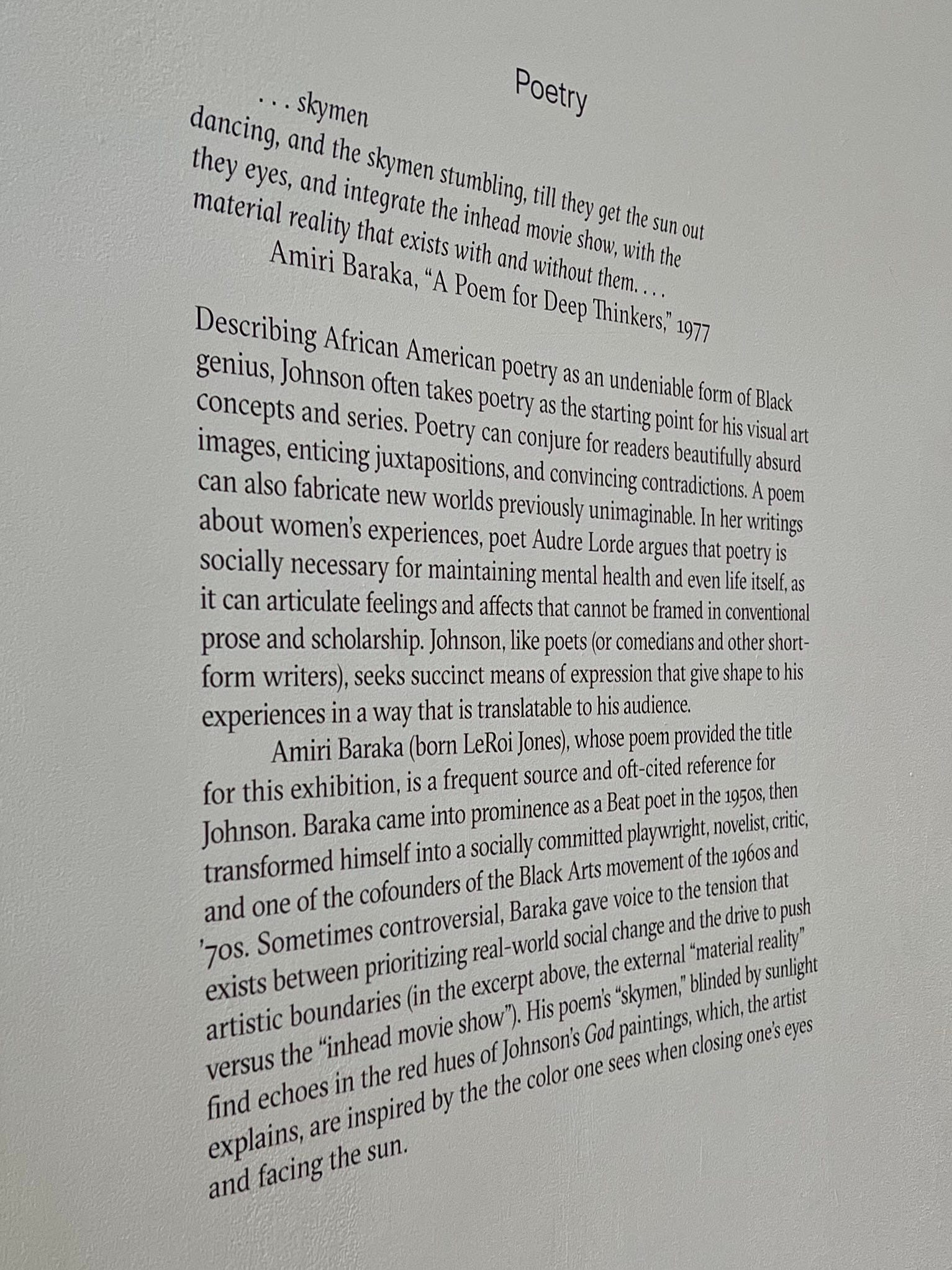
In researching these authors, I’m realizing how thoughtful and connected each book is within the exhibition. The exhibiting artist, Rashid Johnson, is telling a story about The Civil Rights Movement through time as we ascend the rotunda. The writer LeRoi Jones, for example, is actually the poet who inspired the name of the exhibit: APoem For Deep Thinkers. I’ve now learned that after Malcom X was killed in 1965, this is when LeRoi Jones changed his name to Amiri Barakas. The Dead Lecturer is a collection of poems published in 1964, before he changed his name.
Finally, as we reached the top of the Rotunda, here’s the writing on the wall explaining the thesis of Johnson’s exhibit, an art show inspired by beat poetry. The poem in question is A Poem For Deep Thinkers, by Amiri Baraka.
Leave a comment:
Who are the writer’s inspiring you right now?
How does art help people?
What’s the last thing you’ve researched online and why?